What treatments are available for Fabry disease?
There is currently no cure for Fabry disease. However, treatments are available to help slow disease progression and manage symptoms.
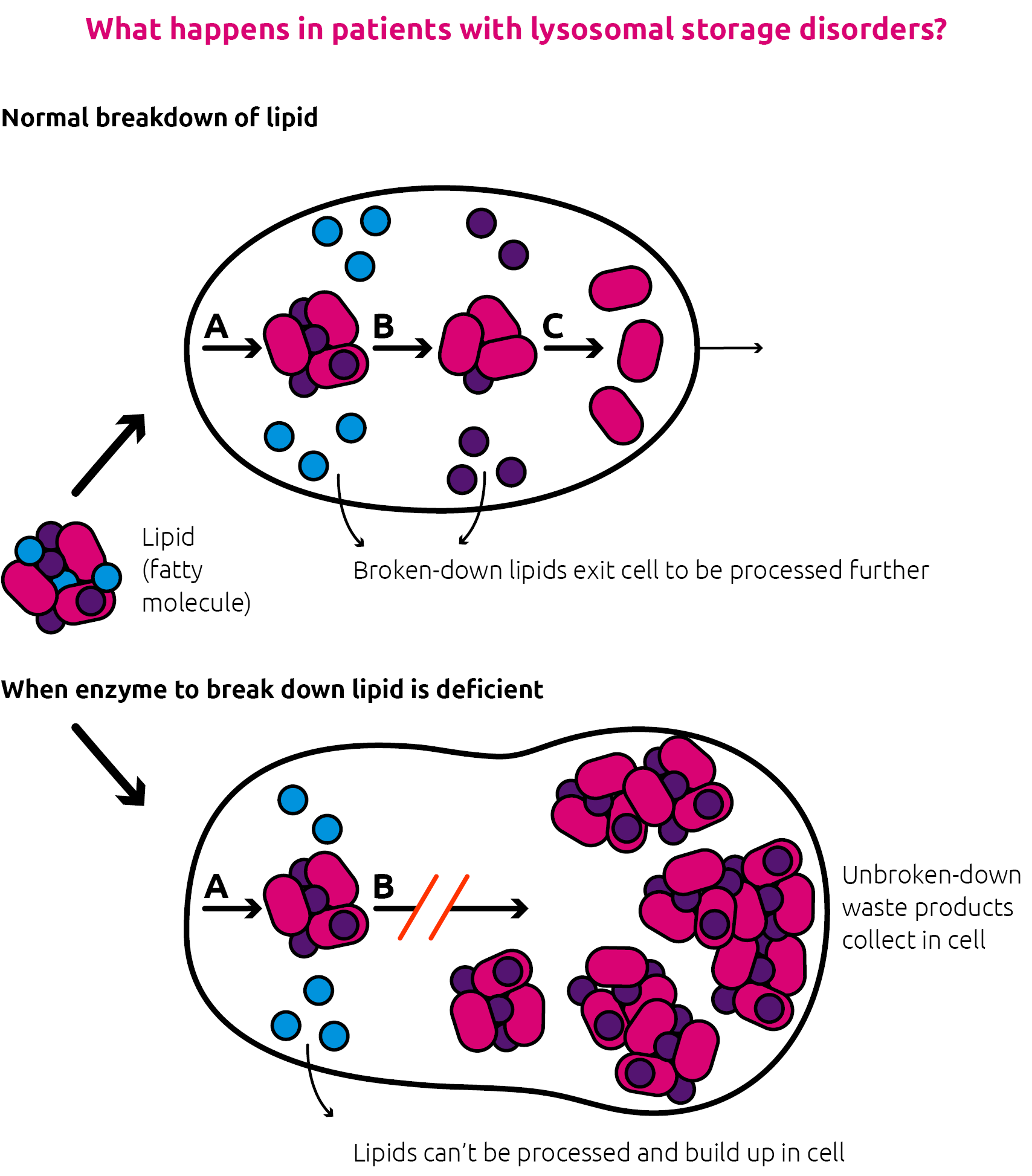
Two disease‑specific approaches aim to reduce Gb3 accumulation:
- Enzyme replacement therapy (ERT), which replaces the missing enzyme
- Chaperone therapy, which enhances residual enzyme activity in some individuals
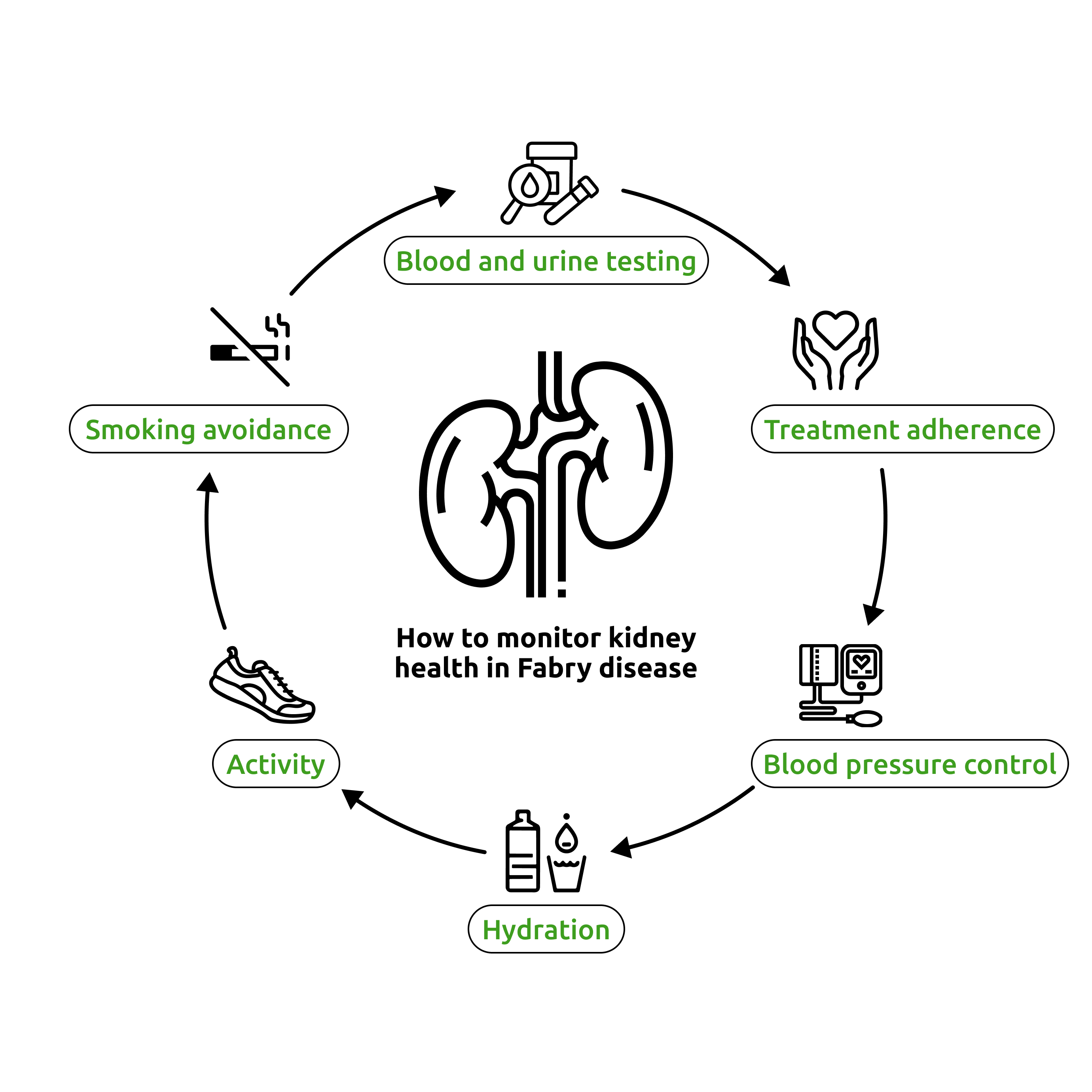
A key goal of treatment is to slow irreversible kidney damage, preserve kidney function, and help protect other organs, including the heart, supporting better long‑term outcomes.
How kidney involvement may progress
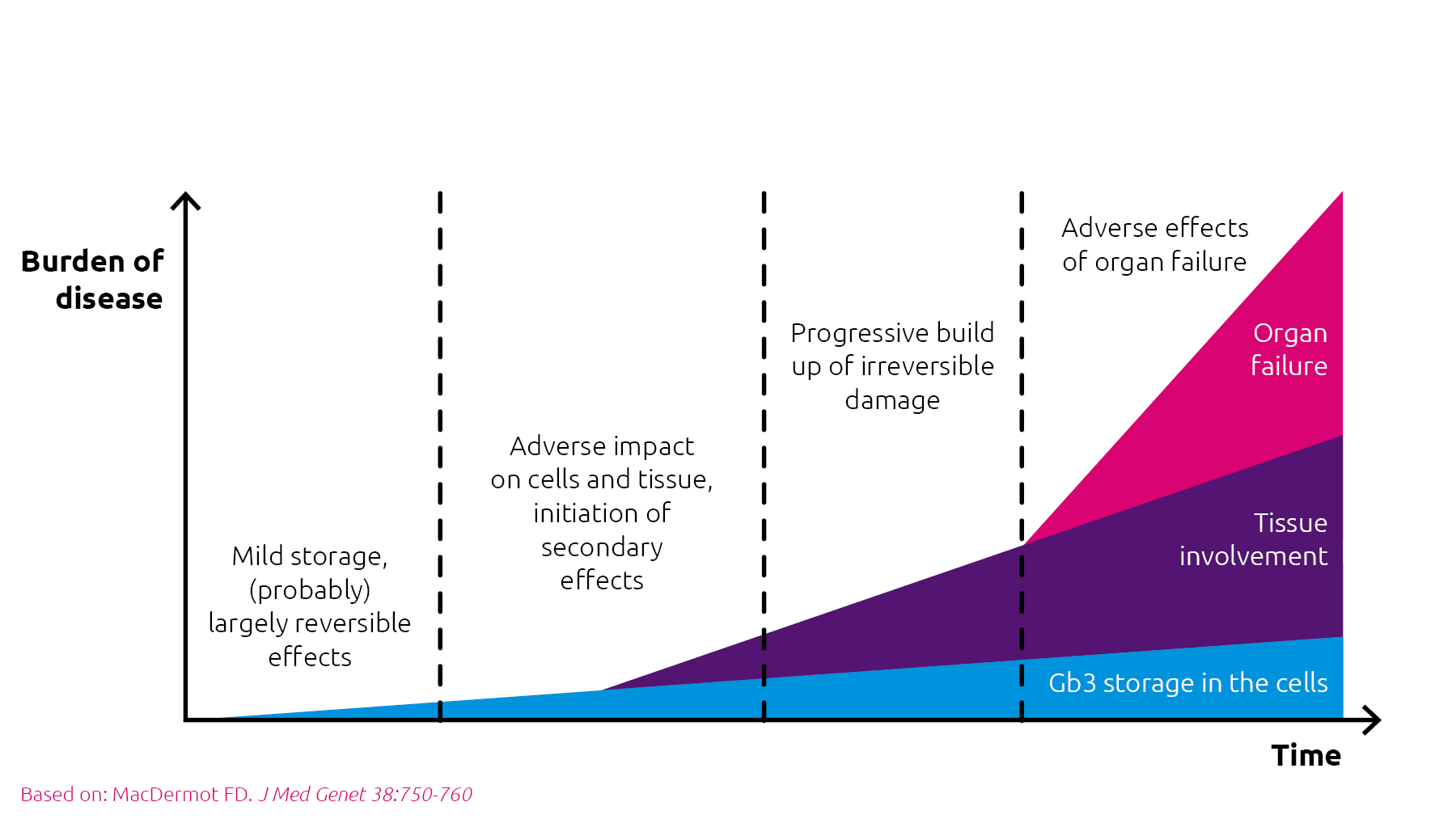
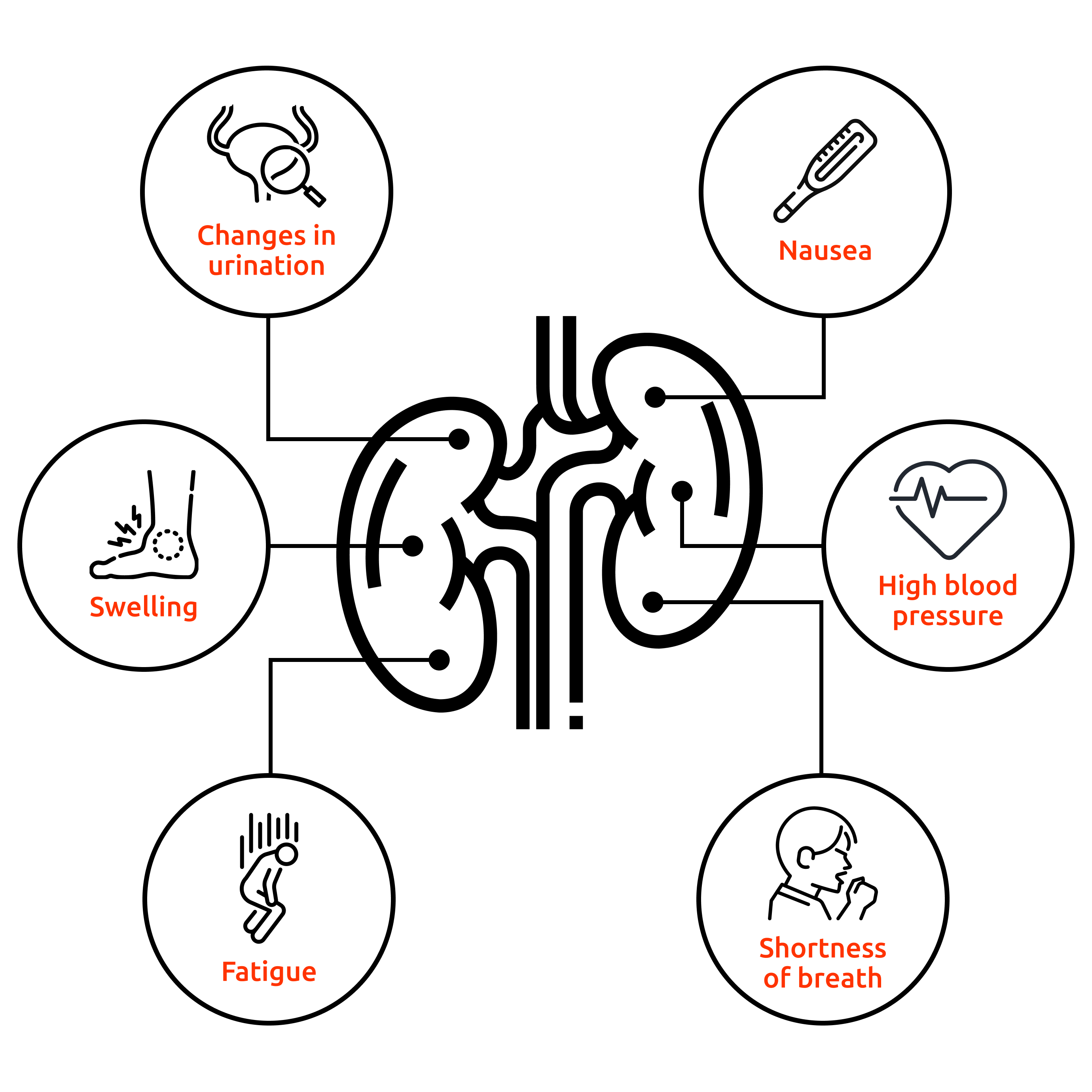
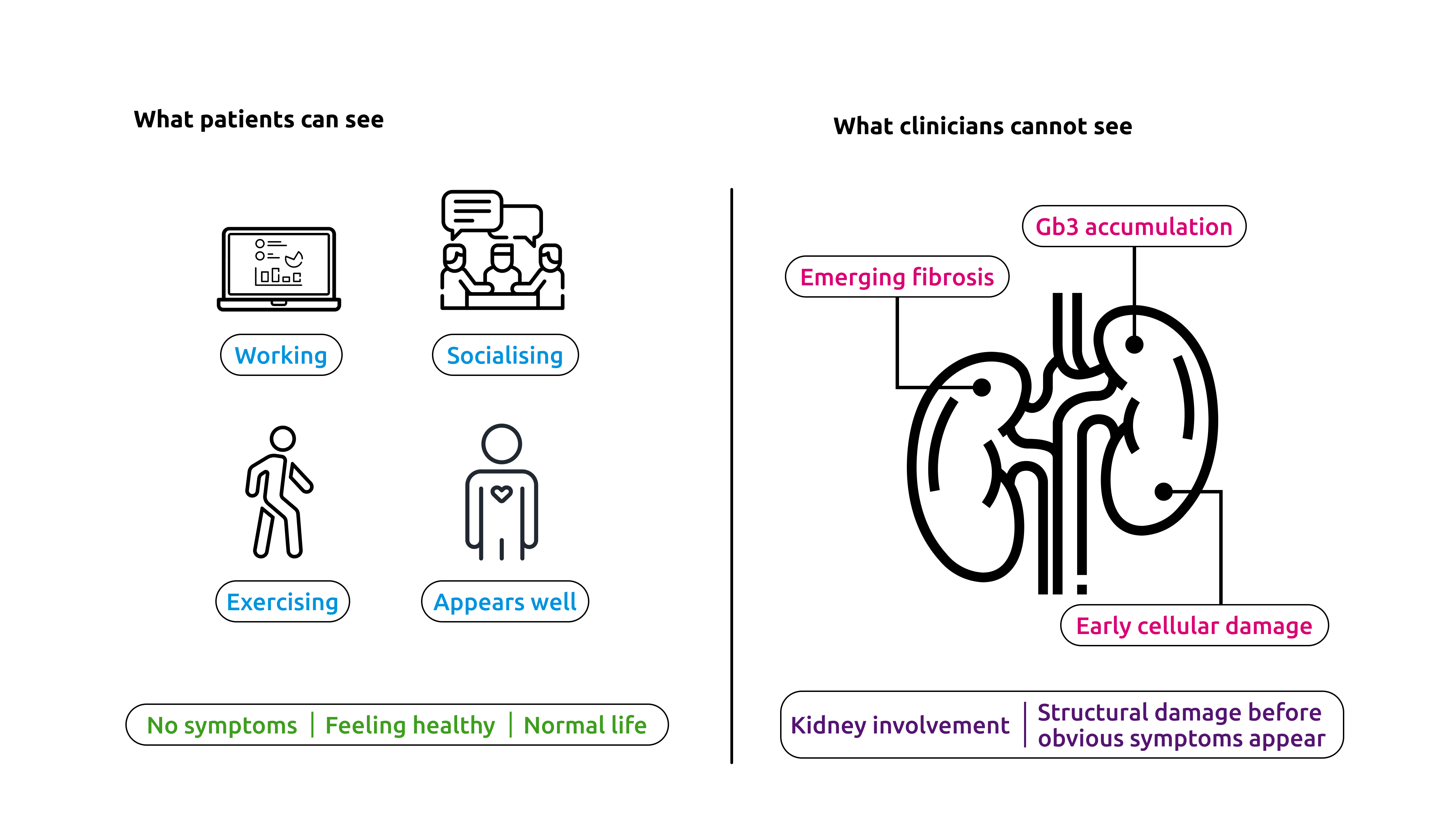
Kidney damage in Fabry disease is progressive and may worsen over many years. Without treatment, kidney d amage can eventually lead to chronic kidney failure, when the kidneys are no longer able to function adequately. This progression is often reflected by gradually declining estimated glomerular filtration rate (eGFR) values. The speed of kidney function decline varies between individuals. Slower progression has been associated with factors such as earlier diagnosis, earlier treatment, lower levels of protein in the urine, and higher residual enzyme activity.
Progression of Fabry disease in other organs
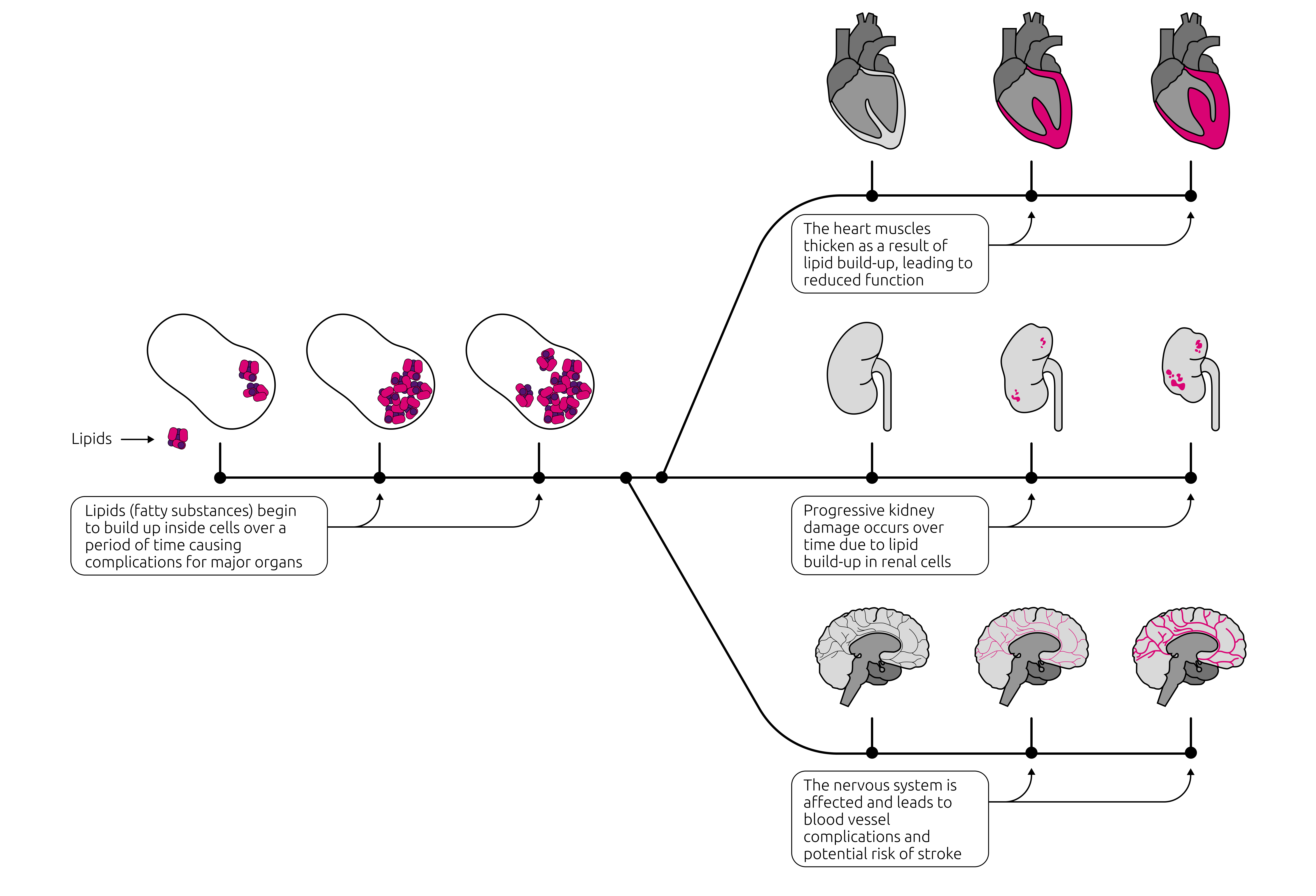
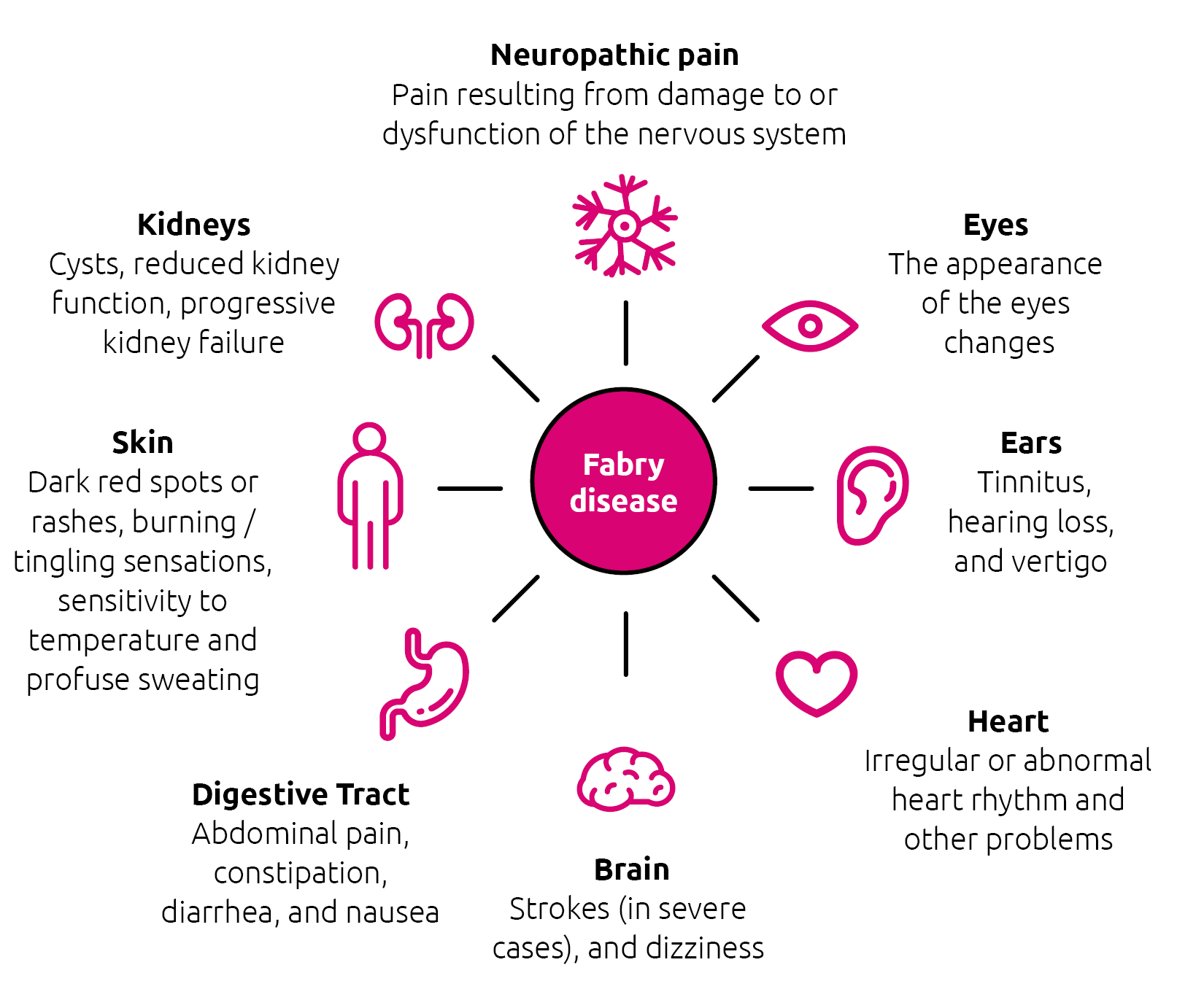
In addition to kidney involvement, Fabry disease can cause progressive changes in other organs, particularly the heart and cerebrovascular system. Without treatment, the ongoing accumulation of Gb3 can cause progressive changes in the heart, including thickening of the heart muscle and scarring, which may affect heart function and increase the risk of complications. Changes in the blood vessels supplying the brain may also develop over time, increasing the risk of neurological events such as stroke or transient ischaemic attacks. The pattern and speed of progression varies between individuals and may be influenced by factors such as age, genetic variation, residual enzyme activity, and when treatment is started. Other symptoms affecting the skin, eyes, and nervous system may also contribute to the overall impact of Fabry disease.


@2x.2026-10-01-08-40-48.png)